

Affiliate disclosure: This post contains affiliate links. If you purchase through them, I may earn a small commission at no extra cost to you. I only recommend products I’ve personally used and trust.
If you’ve worked with me before, you already know I don’t believe in complicated protocols. Real, sustainable gut healing comes down to a small number of foods you eat consistently — not a supplement stack or a 30-day cleanse. Two of those foods live in my pantry at all times: quality tinned fish and real olive oil.
I get asked a lot why I keep bringing these up with clients, especially when there are so many trendier “gut health foods” floating around. Here’s the honest answer: these two are boring, cheap (relative to supplements), shelf-stable, and backed by more evidence than most of what gets marketed as a superfood. Let me walk through why.
Tinned Fish: An Underrated Anti-Inflammatory Staple
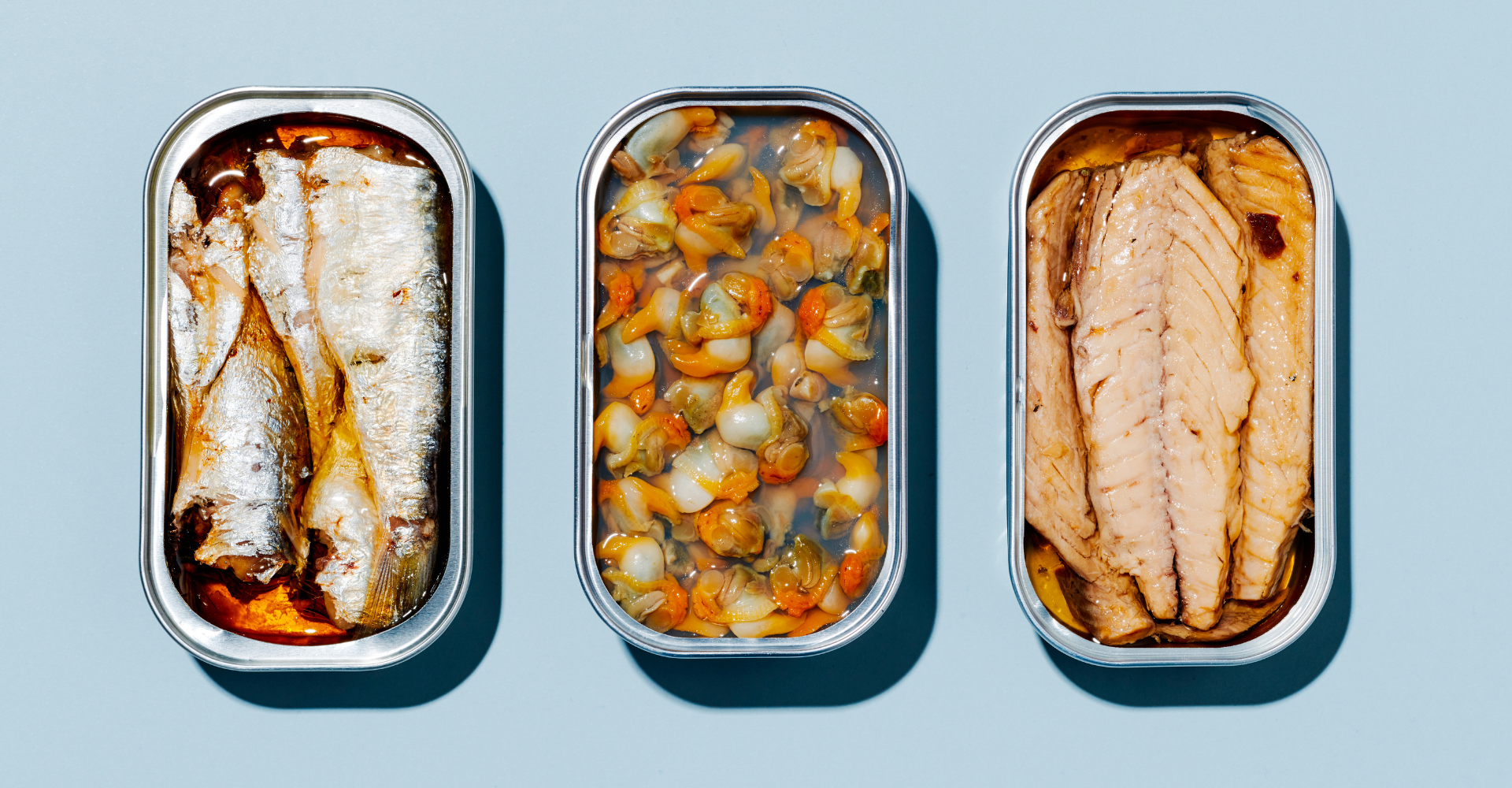
Sardines, anchovies, and good tinned tuna are some of the most concentrated sources of omega-3 fatty acids you can eat — specifically EPA and DHA, the forms your body actually uses efficiently (unlike the omega-3s in flax or chia, which your body has to convert first, and does so poorly). Omega-3s are one of the better-studied tools for lowering systemic inflammation, and a gut lining under constant inflammatory stress is a gut that struggles to heal.
Small, oily fish like sardines and anchovies also tend to be lower in mercury than larger fish, since they’re lower on the food chain and shorter-lived. That makes them a food you can eat regularly, not just as an occasional treat.
The other reason I like tinned fish specifically, versus fresh: quality control. A well-made tin — packed in olive oil, not soybean or “vegetable” oil, and without a long list of preservatives — is often fresher in nutritional terms than fish that’s been sitting on ice at a counter for days. I keep two brands in regular rotation in my own pantry: Bar Harbor Wild Petite Sardines in Extra Virgin Olive Oil,and
Bar Harbor Wild Petite Sardines in Extra Virgin Olive Oil, s what I reach for on a quick lunch. I love these petit sardines, they are such a treat. Lots of flavor and not too pungent, lovely on crackers accompanied with sauces and cheeses.These are great sardines if you are new to tinned finish. They have a firm palatable texture and are beautifully presented and can have it with some coleslaw or kimchi. sardines are what I put out when I’m having people over for a tapas spread; the fish stays firm instead of turning to paste, and you can actually taste the difference in the oil itself. If you want to see how I actually cook with them, my Omega-Rich Mediterranean Tuna & Sardine Pasta Salad is one of my go-to ways to use.
What to actually check on a label (I’ll go deeper on this in a future post): the oil it’s packed in, sodium content, and whether the fish is a smaller species like sardines or anchovies versus something larger and higher on the food chain.
Olive Oil: More Than a Cooking Fat
Good olive oil isn’t just “healthy fat” in the vague way it gets talked about. Extra virgin olive oil — real extra virgin, not the diluted versions that unfortunately make up a large share of what’s sold as EVOO — is rich in polyphenols, plant compounds with measurable anti-inflammatory and antioxidant effects. This is part of why the Mediterranean diet consistently shows up in research linked to lower inflammation markers and better metabolic health.
For gut health specifically, olive oil supports the integrity of the gut lining and may help regulate the gut microbiome in ways that seed oils and heavily processed fats don’t. It’s also just a better foundational fat to build meals around than the vegetable oil blends that show up in most packaged food.
Quality varies enormously here, more than people expect. A oil worth using should be cold-pressed, ideally from a single estate or defined region, and used within a reasonable window of its harvest date (olive oil degrades with time, heat, and light exposure — more on proper storage in an upcoming post). Núñez de Prado Flor de Aceite is the one I keep on my counter for everyday use — it’s cloudier than the filtered oils you’ll find at most grocery stores, which threw me off the first time I bought it, but that cloudiness is actually a sign the polyphenols are still intact rather than filtered out. The peppery bite at the back of your throat when you taste it straight is normal, not a flaw — it’s one of the clearest signs you’re getting a genuinely high-quality oil.
How I Actually Use These With Clients
I don’t hand clients a supplement list on day one. I hand them two things to add: a tin of good sardines or tuna a few times a week, and a swap from whatever oil is currently in their pantry to a real, well-made olive oil used daily. That’s it to start. It’s a low-effort, high-impact change that doesn’t require cooking skills, meal prep, or willpower — you’re not removing anything yet, just upgrading two things you’re probably already eating in some form.
Research on anti-inflammatory eating patterns consistently links this kind of change — swapping in omega-3-rich protein and real olive fat — to lower inflammation markers and better digestive comfort over time. It’s one of the first things I introduce with new clients precisely because it doesn’t require overhauling everything else first.
Where to Start
If you’re building your own pantry around this, don’t overthink the first purchase. Pick one well-made tinned fish and one real olive oil, and use them consistently for a few weeks before adding anything else. I’ll be sharing my specific product picks, label-reading tips, and simple recipes using both over the next several weeks — starting with a 10-minute breakfast that’s become a staple in my own kitchen.
For a shorter list of pantry staples and everyday healthy-living products, browse Shop My Picks.
If you want a more structured, personalized approach to healing your gut rather than piecing it together from blog posts, this is exactly the kind of foundational work we start with in the Gut Reset Program — 22 days of building sustainable habits, not another restrictive diet you’ll abandon in three weeks.

